
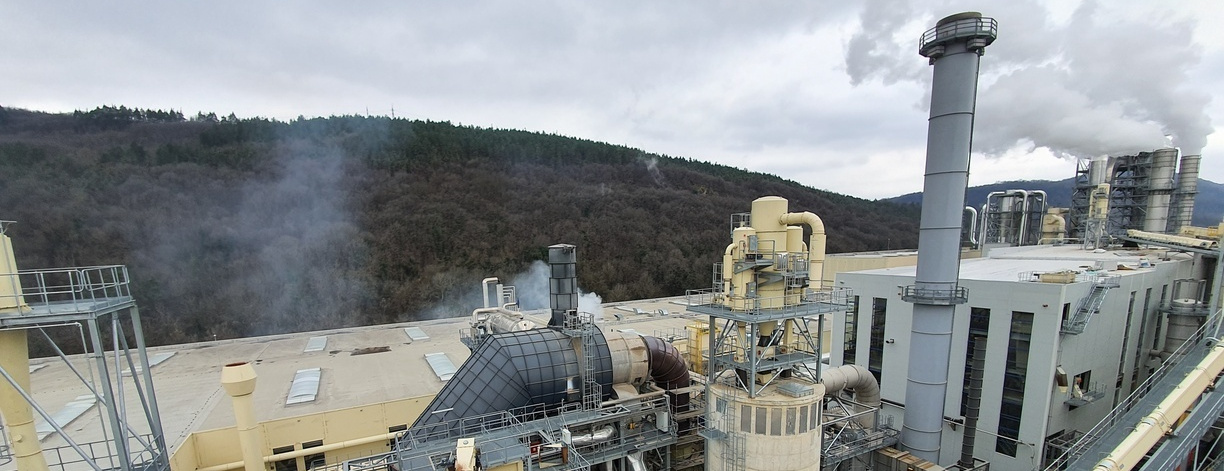
With over 33 years of hands-on experience, I offer SPECIALISED SERVICES in industrial control systems that span DESIGN, INSTALLATION, COMMISIONING, and global PROJECT MANAGEMENT. From upgrading PLCs and deploying SCADA systems to managing complex control networks and remote infrastructure over 4G, my work ensures systems are not only functional but scalable, secure, and future-ready. I’ve delivered high-impact solutions across industries, leading control system rollouts, managing international joint ventures, and aligning technology with customer outcomes under global license agreements.
“Control systems, PLCs, and SCADAs can be complex to build and program, but they must be fault-tolerant and simple for Operations to use.”
My services cover COMPLETE LIFECYCLE SUPPORT — from site-based commissioning to integration of modern SCADA and control platforms, secure IT/OT convergence, remote diagnostics, and predictive-ready infrastructure. Whether building from the ground up or modernising legacy systems, I focus on delivering control architectures that improve operational insight, reduce downtime, and enable intelligent decision-making at every level of the organisation.
A Bit About Industrial Control Systems
Control systems and SCADA platforms are the backbone of modern industry. They enable real-time control and monitoring of critical assets — from machinery and energy systems to plant-wide operations — turning raw automation into actionable business intelligence. When designed right, these systems don’t just manage processes, they inform strategy by bridging operational data with enterprise decision-making.
“In most cases, collecting and understanding your data is the foundation for any successful AI project.
Begin your AI journey simply and affordably by capturing as much relevant data as possible.”
Reliability and redundancy are central to system success, ensuring uninterrupted operations even under fault conditions. As systems grow in complexity, artificial intelligence now plays a vital role in augmenting traditional control — from detecting anomalies to predicting equipment failure — allowing companies to move from reactive to proactive management.